Understanding Wildlife Control: Effective Strategies and Dead Animal Removal Services
Animal control involves methods aimed at controlling wildlife and ensuring safe living conditions. Recognizing the effects of typical wildlife intruders is crucial for property owners. Effective prevention methods can greatly reduce the risk of wildlife intrusions. Furthermore, the prompt disposal of deceased animals is essential for maintaining health and safety. Yet, numerous individuals are still uninformed about the essential components of proper wildlife management and the value of expert assistance. What measures can be implemented to protect households and neighborhoods?
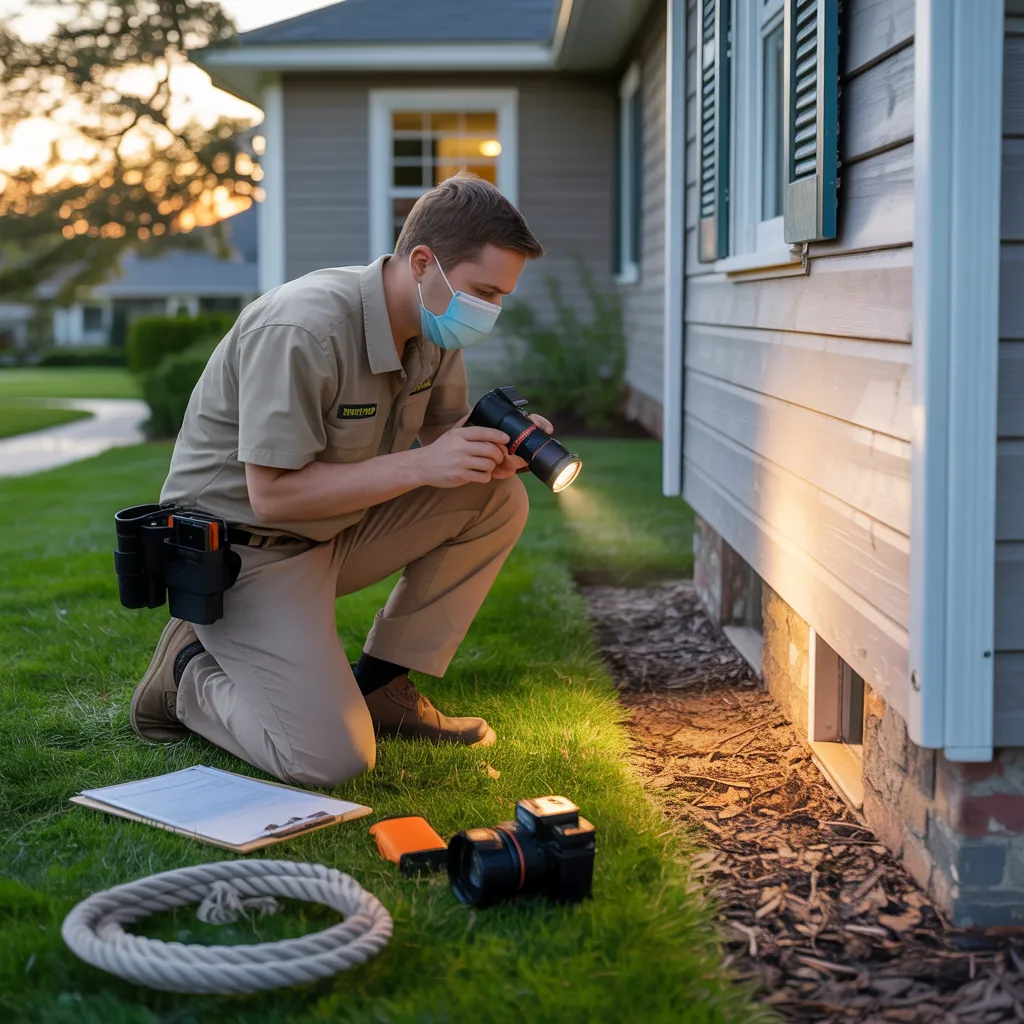
What Is Wildlife Control and Why Is It Essential?
Wildlife control encompasses a variety of strategies aimed at managing animal populations and their interactions with human environments. This approach is essential for maintaining ecological balance and reducing tensions between wildlife and humans. Effective wildlife control helps safeguard public health by reducing the dangers linked to zoonotic diseases, which can be transmitted from animals to humans.
Furthermore, it protects farming concerns by addressing species that may threaten farmland and animals. By utilizing ethical techniques, wildlife regulation fosters coexistence, guaranteeing that human requirements and animal protection remain equally important.
In addition, it acts to preserve biological diversity by handling invasive species that can damage regional ecosystems. Overall, wildlife management is critical not only for strengthening safety and limiting property damage but also for promoting a enduring connection between humans and the natural world.
How Common Wildlife Intruders Damage Your Home
Typical wildlife pests create major hazards for households, causing structural deterioration that can weaken a building's foundation. They can also contaminate insulation, creating health hazards for occupants. Furthermore, having these creatures nearby introduces serious electrical dangers, since they are known to gnaw on electrical wiring, increasing the risk of fires.
Structural Damage Risks
The presence of wildlife intruders can cause considerable structural deterioration in homes. Animals such as raccoons, squirrels, and rodents frequently take advantage of vulnerabilities in building exteriors, establishing openings that undermine the integrity of the structure. Raccoons, for example, can tear off roof materials and harm insulation, while squirrels often chew through electrical wiring and wooden beams, increasing the risk of fire hazards. Additionally, digging animals can weaken foundations by creating tunnels, amplifying the risk of foundation failure. As time passes, these openings can permit moisture infiltration, leading to mold growth and wood rot. Residents ought to be watchful for signs of wildlife intrusion to prevent costly repairs and guarantee the safety and longevity of their properties. Prompt intervention is essential additional article to mitigate these risks.
Insulation Contamination Issues
Insulation acts as a vital defense against temperature variations, but it can easily become compromised by intruding animals. Creatures such as rodents and wild animals can rip apart insulation materials, forming openings that enable deeper access into residential structures. Their habitation tendencies commonly cause the insulation to be soiled with droppings, waste, and other materials, leading to contamination. This not only reduces the insulation's performance but also creates health hazards through possible exposure to dangerous pathogens. Moreover, rotting animal carcasses can release offensive smells and invite more pests. Property owners should tackle insulation contamination quickly to preserve both energy performance and indoor air quality, emphasizing the importance of effective wildlife control and remediation measures.
Electrical Safety Concerns
How do wildlife intruders contribute to electrical hazards in homes? Common wildlife, such as rodents and birds, can cause significant damage to electrical systems. Rodents, in particular, have a well-known habit of chewing on wires, resulting in exposed conductors and possible short circuits. This presents not only a danger of fire but also raises the likelihood of electrical shock for those living in the home. Additionally, nesting materials from birds can obstruct ventilation systems or accumulate near electrical panels, thereby heightening fire hazards. Additionally, wildlife can introduce excess moisture via burrows or droppings, establishing conditions that encourage corrosion and electrical system failure. Tackling these hazards with proper wildlife control measures and routine inspections is critical to preserving a safe home environment.
How to Spot Signs of Wildlife Around You
Recognizing indicators of wildlife activity is critical for successful management approaches. Typical signs consist of prints, characteristic sounds, and peculiar scents that can signal the intrusion of animals. Detecting these signals in a timely manner can aid in reducing possible property damage.
Typical Wildlife Footprints
Numerous nature lovers recognize that spotting familiar wildlife prints is fundamental to understanding local ecosystems. Prints differ among species, featuring unique shapes and dimensions. To illustrate this point, deer prints take on a heart-shaped form, while raccoon prints exhibit a hand-like appearance with elongated fingers. Canine tracks, such as those of coyotes, display a more oval shape with visible claw marks. Observing the spacing between tracks can also provide clues about the animal's size and movement speed. Moreover, recognizing claw patterns can aid in telling various species apart; to illustrate, the tracks of a bobcat notably lack visible claw marks, setting them apart from a dog's prints. Understanding these details aids in wildlife observation and conservation efforts, enriching the appreciation of nature.

Sounds and Odors
Recognizing wildlife activity often involves more than observable indicators like tracks; sounds and odors play significant roles as well. Noises such as movement in the shrubbery, scraping within walls, or nighttime chattering can suggest animals seeking shelter or food. Different species emit unique noises, making it easier to identify the likely animals involved. Smells also offer important indicators. A damp odor may indicate a concealed wildlife nest, while a pungent scent could signal a deceased animal in the vicinity. Detecting these sensory clues allows homeowners to respond without delay. By keeping watchful to both noises and odors, individuals can effectively assess wildlife presence and begin suitable management steps before the issue intensifies.
Animal Control: Proven Methods for Stopping Wildlife Intrusions
Preventing animal intrusions calls for a thoughtful method that integrates an understanding of animal habits with proven deterrent methods. Homeowners are advised to initially assess vulnerable entry areas, such as cracks in walls, upper-level spaces, or lower-level areas, and secure them to prevent intrusion. Routine care of the home and grounds, including removing clutter and properly storing garbage, can discourage wildlife in search of nourishment.
Additionally, employing organic deterrents like motion-activated lighting or sound systems can ward off undesired animals. Landscaping choices also play a role; choosing native plants and sustaining a neat yard can decrease the attractiveness for multiple species. Informing residents about local wildlife behaviors enhances awareness and proactive measures.
The Function of Professional Wildlife Control Services
When wildlife invasions surpass the ability of homeowners to handle, professional wildlife control services become an essential resource. These dedicated services provide knowledge in detecting and resolving numerous wildlife concerns, guaranteeing both safety and compliance with local regulations. Trained professionals utilize humane trapping methods and exclusion techniques to minimize the impact on local ecosystems while effectively resolving conflicts with wildlife.
Furthermore, these professionals often deliver in-depth assessments of properties to uncover potential risk areas that may invite future infestations. By utilizing sophisticated tools and techniques, they can target the root causes of wildlife issues, rather than merely treating temporary setbacks. This preventative approach not only secures homes but also promotes coexistence with local wildlife. At the end of the day, working with professional wildlife control services assures that homeowners can address complex wildlife situations safely and effectively, reducing risks to property and personal safety.
Reasons Why Dead Animal Removal Is Important
The existence of deceased animals on a property can present serious health hazards and invite problematic pests. Decaying carcasses emit dangerous bacteria and pathogens, which can contaminate soil and water sources, endangering the health of humans and animals. Moreover, the stench arising from a rotting body can disturb the living conditions of neighboring residents and generate an uncomfortable atmosphere.
Furthermore, dead animals can serve as a attractant for scavenging creatures, including rodents and insects, contributing to secondary infestations. This can grow into more serious complications, calling for more comprehensive pest control solutions. Removing dead animals promptly is essential to reduce these risks and ensure environmental safety is restored.
Professional dead animal removal services are prepared to manage these circumstances effectively, providing adequate removal and comprehensive sanitation. By resolving the matter quickly, property owners can protect their health, protect the integrity of surrounding ecosystems, and maintain the integrity of their surroundings.
What to Look for in a Wildlife Control Service?
Effective wildlife control services are vital for maintaining a safe and healthy environment, especially after issues such as dead animal removal. A number of critical considerations should be kept in mind when selecting a wildlife control service. To begin, confirm that the company holds proper licensing and insurance, as this confirms their legitimacy and protects against liability. A strong background in the field is indispensable; a business with a demonstrated history of success is better equipped to address diverse wildlife concerns.
Furthermore, find out about their practices for animal control and prevention, confirming they employ humane and sustainable procedures. Client reviews and testimonials can shed light on the provider's trustworthiness and performance.
Ultimately, a reliable company should deliver a detailed evaluation and follow-through to deter subsequent wildlife intrusions. By evaluating these factors, clients can identify a wildlife control service that focuses on safety, efficiency, and ethical practices.
Frequently Asked Questions
What Are the Laws and Regulations Governing Wildlife Control in My Area?
Legal requirements for wildlife control differ by region, often requiring permits for capturing and relocating animals. Local wildlife management agencies offer guidance, ensuring humane treatment and conformity with wildlife conservation laws to preserve wildlife and natural ecosystems.
How Do I Safely Handle a Dead Animal on My Property?
When safely handling a dead animal, one should wear gloves, utilize a shovel to remove the body, seal the remains in two bags, and remove it following local disposal regulations, guaranteeing proper sanitation and reducing potential health risks.
What Are the Expenses Involved in Wildlife Control Services?
Costs associated with wildlife control services vary widely, usually spanning from $100 to $1,500. Variables that impact pricing encompass the species of wildlife involved, extent of infestation, along with the control methods and preventative measures utilized.
Will Wildlife Control Stop Future Infestations for Good?
Animal control services can substantially decrease the probability of future infestations through prevention techniques, but it does not ensure absolute protection. Regular monitoring and routine maintenance are critical to reduce potential threats and handle emerging problems in a timely manner.
What Kinds of Animals Necessitate Specialized Removal Techniques?
Certain animals, like raccoons, bats, and snakes, necessitate specialized handling methods because of their distinct behaviors and possible health hazards. Professionals must employ specific methods to secure safe and ethical handling throughout the removal procedure.